


- Admin
- May 07, 2024
- Yoga for Beginners
Some facts about cancer
Cancer is a dreaded word because cancer is considered incurable. Fear arises because common knowledge of cancer is virtually non-existent.
What is cancer?
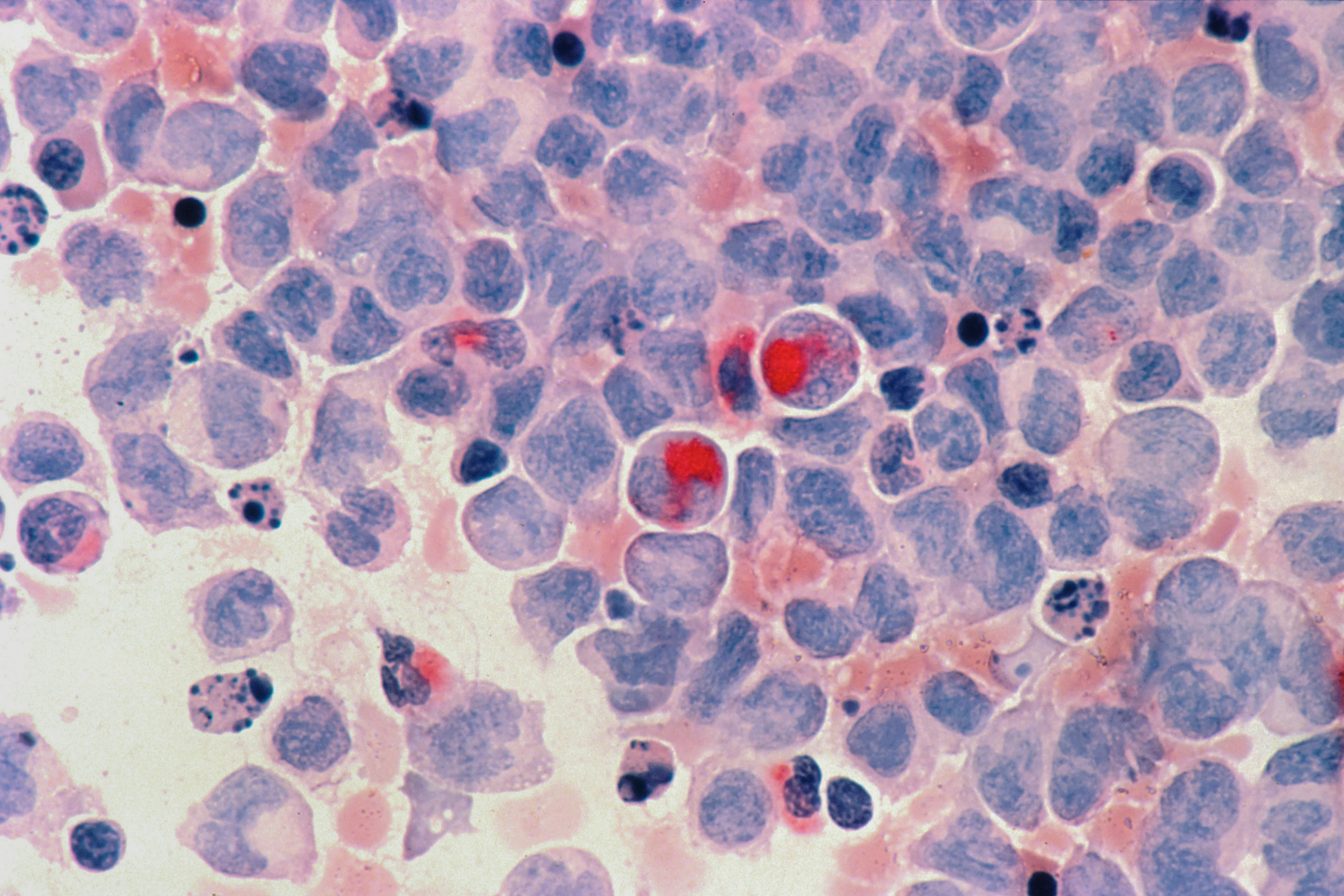
All living organisms are made of cells. These cells work together as a unit. Regeneration of cells in the body takes place all the time. However, when a cell begins to mutate in an abnormal manner it raises the possibility of cancer. When the command giving genes within the cells are damaged or corrupted it causes a change which is called mutation. Mutation means that the cells can no longer understand the instructions of the genes and they continue to multiply rapidly to form into cancer cells and tumour. Cancer cells require oxygen and nutrients just like normal cells and they encourage new blood vessels to grow into the tumour so they can feed.
Some types of cancer, called leukaemia don't form tumours but cells build up in the blood or the bone marrow.
Cancer types
· Carcinoma is a cancer that begins in the skin or in tissues that line or cover internal organs.
· Sarcoma cancers begin in the connective or supportive tissues such as bone, cartilage, fat, muscle, or blood vessels
· Leukaemia is cancer that starts in blood forming tissue such as the bone marrow and causes large numbers of abnormal blood cells to be produced and go into the blood
· Lymphoma and myeloma are cancers that begin in the cells of the immune system
· Brain and spinal cord cancers are known as central nervous system cancers
Causes of cancer
Cancer does not develop in just a couple of months but it first appears after several years. While it is difficult to answer the question as to why human beings develop cancer some of the reasons are
Exposure to chemicals and toxins
Tobacco or cigarette smoking
Radiation
Certain pathogens viruses and bacteria that cause other diseases like hepatitis, Merkel cell or herpes virus etc. are being studied for cancer
Sometimes cancer is caused by human genes especially breast, ovarian, colorectal, prostate, skin and melanoma
Some symptoms of various cancers
Change in bowel or bladder functions
Chronic indigestion or difficulty swallowing
A sore throat that does not heal, nagging cough or hoarseness
Unusual bleeding, discharge from the breast, lump in the breast, testicles, or elsewhere in the body
Obvious change in the size, colour, shape, or thickness of a wart or mole
Unexplained loss of weight or loss of appetite
New and unusual pain in the bones or other parts of the body
Persistent fatigue, nausea, or vomiting
Low-grade fever that may come and go or is persistent
Infections that do not subside with treatment
Treatment
Treatment depends on the type of cancer and the stage of the cancer. Patients might follow a sequence of treatment that could include surgery, chemotherapy, radiation therapy, or a combination of two of these or all three treatments. The outcome of the treatment depends on the type of cancer and the stage that it is in and how far it has spread into other organs.

Share on